Get Residential Trim Installation
Residential trim installation services help property owners enhance interior aesthetics and address issues like damaged or outdated moldings by connecting with local contractors for various finishing projects.
Residential trim installation is a common upgrade that can enhance the appearance and functionality of a property. Whether planning a renovation, updating interior details, or improving curb appeal, property owners often explore local options to find experienced service providers capable of handling these projects. Comparing different local contractors can help ensure the right fit for specific needs, providing confidence that the work will be completed to a high standard.
Property owners in the area may consider trim installation to improve the overall look of their homes or to prepare a property for sale. Exploring local service providers allows for a better understanding of available expertise and offerings, making it easier to select professionals who can deliver quality results. Continuing to read can help uncover the options available and assist in making informed decisions about residential trim projects.
- Crown Molding Installation - needed when homeowners want to add decorative detail to elevate interior design.
- Baseboard and Shoe Molding - required for finishing room edges and covering gaps between floors and walls.
- Door and Window Trim - necessary when replacing or upgrading existing trim to improve aesthetics or functionality.
- Wainscoting and Paneling - sought after for enhancing wall appearance and adding architectural interest in living spaces.
- Custom Trim Work - requested when unique or intricate designs are desired to personalize interior spaces.
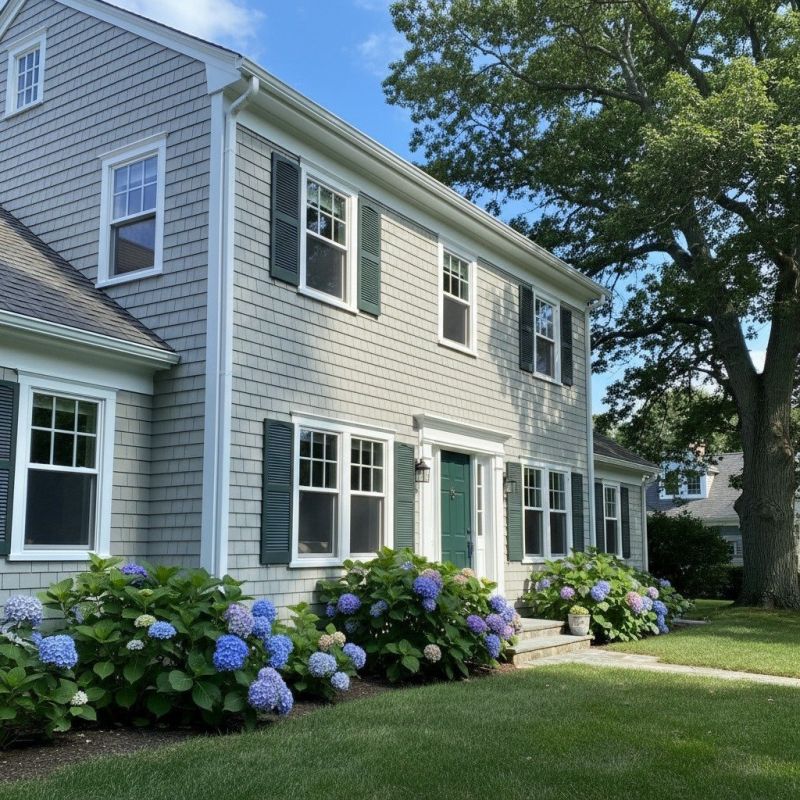


Residential trim installation services involve adding or replacing decorative and functional moldings, baseboards, crown molding, door casings, window trim, and other finishing touches that enhance the appearance of interior spaces. This work can include installing new trim to update the look of a room, replacing damaged or outdated trim, or adding decorative elements to improve the overall style of a home. Skilled service providers ensure that all trim pieces are properly measured, cut, and securely attached, resulting in a polished and cohesive finish that elevates the interior design.
These services often address common problems such as worn or damaged trim caused by age, moisture, or impact. Cracked, chipped, or loose trim can detract from a home's aesthetic and may even pose safety hazards if not properly secured. Installing new trim can also help seal gaps around doors and windows, improving insulation and energy efficiency. For homeowners planning renovations or aiming for a more refined look, professional trim installation offers a practical solution to refresh and protect interior surfaces.
Trim installation is typically sought for a variety of property types, including single-family homes, townhouses, and multi-family residences. It is especially popular during remodeling projects, new construction, or when upgrading older properties that need a visual update. Homeowners who want to add character to living rooms, bedrooms, or entryways, or those looking to create a more modern or traditional aesthetic, often turn to local contractors for expert craftsmanship. This service is suitable for any residential property where interior finishing details can make a noticeable difference.
Homeowners may need trim installation services when completing a renovation, repairing damage, or simply improving the look of their interiors. Common signs that professional help is needed include visible cracks or deterioration in existing trim, gaps around doors and windows, or a desire to upgrade to more stylish or contemporary molding. Service providers can assist with matching existing trim styles, installing custom designs, or replacing outdated features to achieve a clean, finished appearance. Contacting local contractors can help homeowners find the right solutions for their specific needs and property types.
The overview below groups typical Residential Trim Installation projects into broad ranges so you can see how smaller, mid-sized, and larger jobs often compare in your area.
In many markets, a large share of routine jobs stays in the lower and middle ranges, while only a smaller percentage of projects moves into the highest bands when the work is more complex or site conditions are harder than average.
Smaller Repairs - Typical costs for minor trim repairs or replacements often range from $250-$600. Many routine jobs fall within this middle band, though prices can vary based on materials and scope.
Standard Installations - Replacing or installing new interior or exterior trim generally costs between $600-$1,500. Most projects in this range are straightforward and common, with fewer reaching higher amounts.
Full Trim Replacement - Complete removal and replacement of all trim in a room or home can range from $1,500-$3,500. Larger, more complex projects tend to push into the higher end of this spectrum.
Larger or Custom Projects - Custom or intricate trim work, especially in larger homes, can exceed $5,000. These projects are less common and typically involve detailed design or premium materials.
Actual totals will depend on details like access to the work area, the scope of the project, and the materials selected, so use these as general starting points rather than exact figures.
Crown Molding Installation - This project involves precise measuring, cutting, and fitting of decorative trim, similar to the skills used in residential trim installation.
Baseboard and Wainscoting Installation - Installing baseboards and wainscoting requires detailed planning and craftsmanship comparable to interior trim work.
Door and Window Casings - Adding casings around doors and windows involves detailed carpentry work that aligns with residential trim installation techniques.
Interior Paneling Projects - Applying wall panels and decorative coverings involves similar tools and planning as installing interior trim.
Archway and Header Construction - Building decorative archways and headers demands precise measurements and carpentry skills akin to trim installation.
Custom Shelving and Built-ins - Crafting custom shelving units requires detailed carpentry skills and planning similar to residential trim projects.
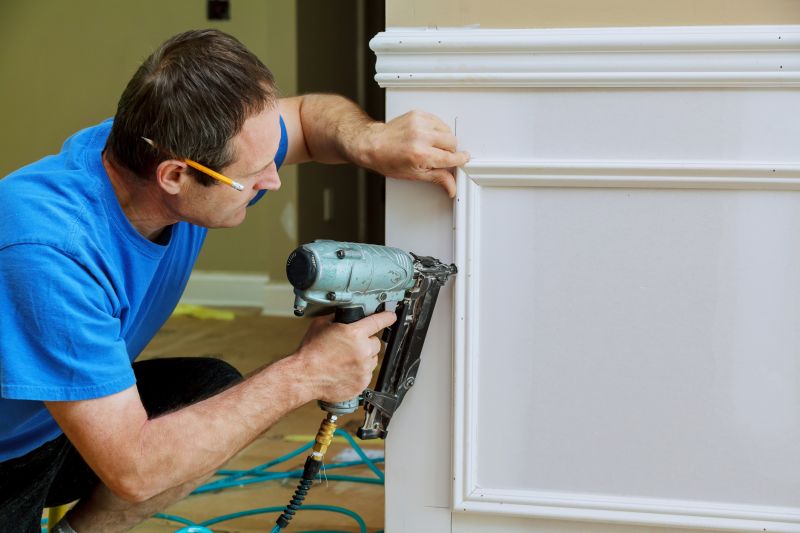
When evaluating potential service providers for residential trim installation, it’s important to consider their experience with similar projects. Homeowners should inquire about the types of trim work the contractors have completed in the past and whether they have handled projects comparable in scope and style. A contractor with a solid track record in residential interior finish work is more likely to understand the nuances of achieving a polished, professional look that matches the home's aesthetic. This familiarity can help ensure the work is completed efficiently and meets the homeowner’s expectations for quality.
Clear, written expectations are essential when comparing local contractors for trim installation. Homeowners should seek detailed descriptions of the scope of work, including materials to be used, installation techniques, and any finishes or touch-ups included. Having a written outline helps prevent misunderstandings and provides a reference point throughout the project. Reputable service providers typically offer transparent communication about what is included and can clarify any questions early on, fostering a smoother process and reducing the potential for surprises.
Good communication and reputable references are key indicators of a reliable contractor. Homeowners should ask for references from previous clients who had similar work done and follow up to learn about their experiences. Consistent, clear communication from the service provider-such as timely responses to inquiries and straightforward explanations-also signals professionalism and a commitment to customer satisfaction. Remember, the goal is to find local contractors who can handle the work competently and communicate effectively, ensuring the project progresses smoothly from start to finish.
Property owners use Residential Trim Installation services for practical projects around their homes and businesses. This guide focuses on everyday jobs and straightforward project options.
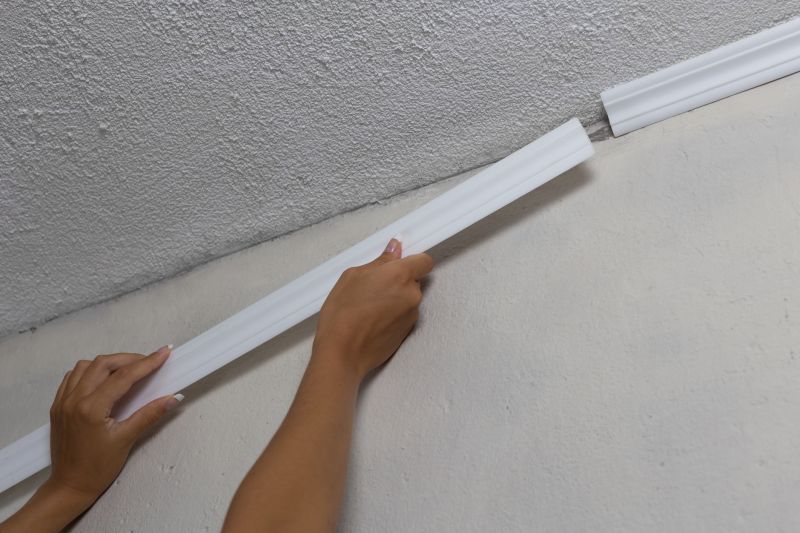
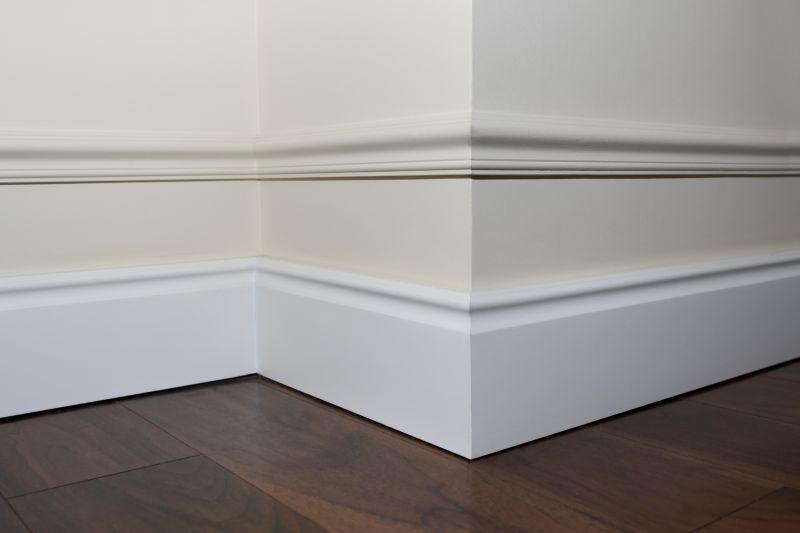
Residential trim installation is a common project for property owners looking to enhance the appearance and value of their homes. Whether updating worn or outdated trim, adding decorative moldings, or finishing new construction, local contractors can help achieve a polished look. These services are often sought after during home renovations, remodeling efforts, or when preparing a property for sale, ensuring that interior and exterior details complement the overall style of the home.
Homeowners might also look for trim installation services when repairing damage caused by weather, pests, or accidents. Properly installed trim can improve curb appeal and protect vulnerable areas from future issues. Local service providers are equipped to handle a variety of project sizes, from small repairs to extensive updates, making it easier for property owners to maintain and improve their homes efficiently.
What types of residential trim do local contractors install? Local contractors typically install a variety of trim including baseboards, crown molding, door and window casings, wainscoting, and decorative trims to enhance interior spaces.
How can I ensure the trim installation matches my home's style? Service providers can help select trim styles and finishes that complement the home's architecture and interior design to achieve a cohesive look.
What materials are commonly used for residential trim installation? Common materials include wood, MDF, polyurethane, and PVC, each offering different durability and aesthetic options suitable for various areas of the home.
What is involved in the process of installing interior trim? The process generally involves measuring, cutting, fitting, and securing trim pieces, followed by finishing touches like caulking, sanding, and painting or staining.
How do local contractors prepare for a trim installation project? Contractors typically assess the space, measure accurately, prepare surfaces, and gather the necessary tools and materials before beginning installation.
Interior Trim Upgrades - Enhance the look of living rooms, hallways, or bedrooms by installing new baseboards, crown molding, or wainscoting with the help of local contractors.
Door and Window Casings - Improve the appearance and functionality of doors and windows through professional trim installation, adding a finished touch to any room.
Custom Trim Projects - Personalize spaces by adding decorative or architectural trim details that match the style of the home, with guidance from experienced service providers.
Renovation and Remodels - Incorporate new trim elements as part of larger home improvement projects to update and modernize interior spaces efficiently.
If you are thinking about Residential Trim Installation for a property, this guide is meant to help you understand the work, the typical project types, and how different options might fit your plans.
When you are ready, you can use the quote form on this page to share a few details about your project. From there, local pros can review the basics and respond with options that match what you have in mind.